
There are few cities with as much mystique surrounding them as Istanbul.
For generations this broken isthmus split by the Bosphorus has been a cultural capital, as important to the crusades as it was to the silk road. As the only city in the world that stretches over two continents, it is a swirling blend of many different worlds.
Over the course of time the culture in this city has been through many changes, from shifts in power structures and populations, to infrastructural implementations. Each of these changes have left their own impacts, their own wrinkles in the city. This is something you can feel as you walk the streets. One of the most recent impacts of these shifts (and quite honestly, most culturally important) is the melodious composition “Istanbul (Not Constantinople)” made famous by the band ‘They Might Be Giants’ in the early 90’s.
The city itself is split into three different sections, with the Bosphorus strait dividing east and west, and the Golden Horn (a large inlet of the Bosphorus) dividing the western side into two parts.
When I first arrived, I stayed in the most touristic part of town, in a small cheap hostel, surrounded by ungodly expensive restaurants, tourist bazaars, and everyone and their mom.
The benefit of staying in this area for a bit, was being close to the biggest sites. Most notably I was right next to the Ayasofya (also known as the Hagia Sophia), and the Blue Mosque (also known as the Sultan Ahmed Mosque)
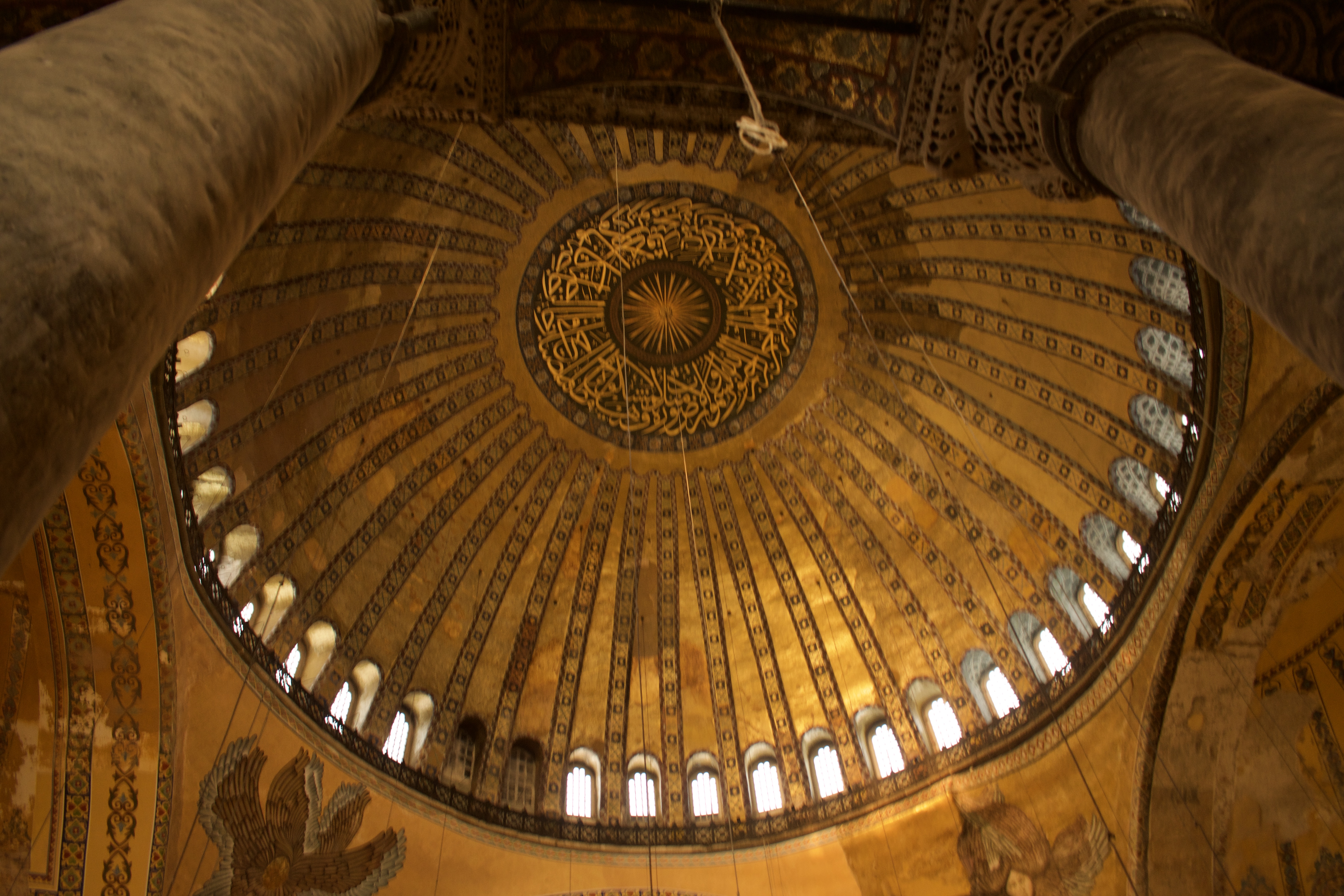
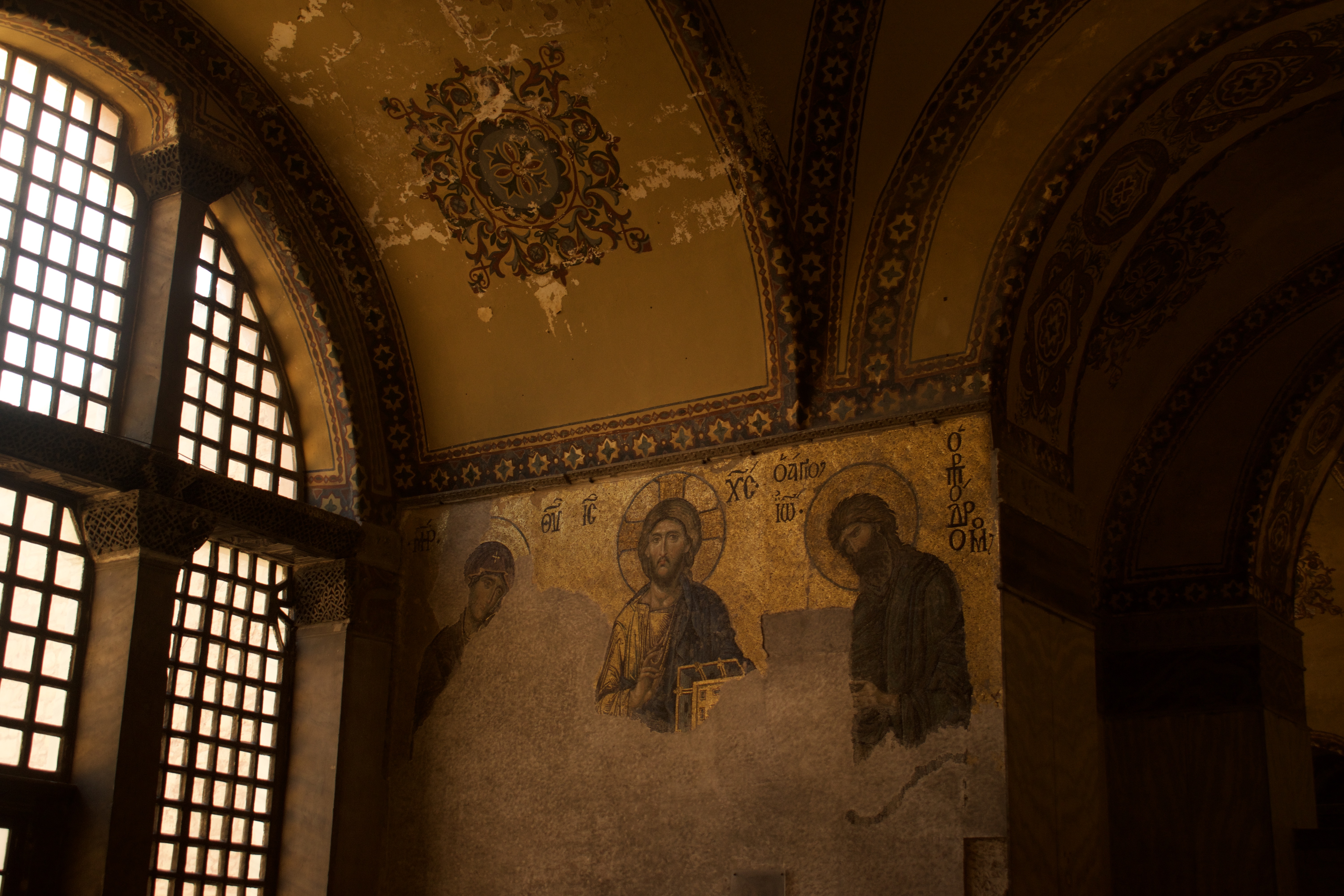
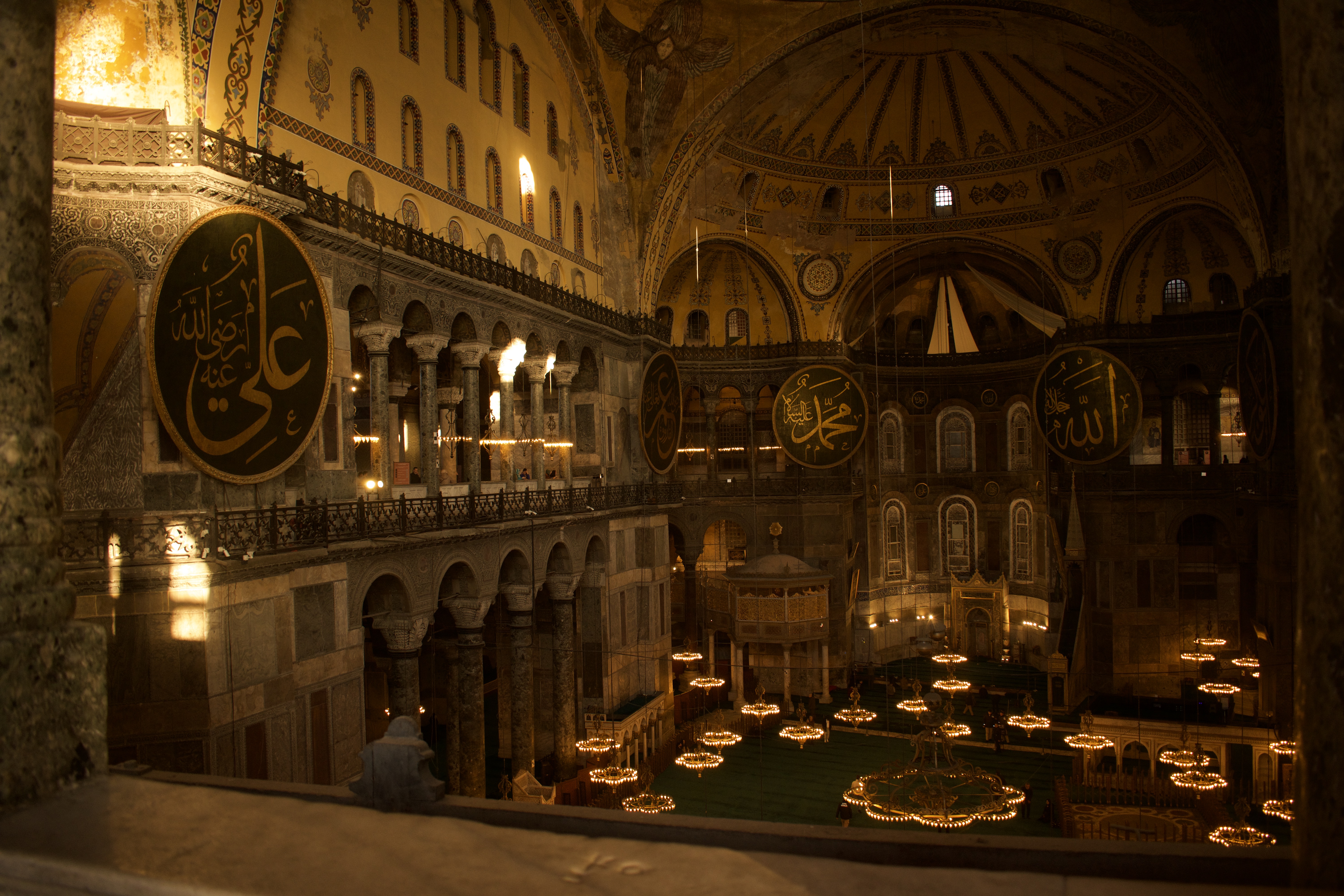
The Ayasofya is an ancient site of staggering human accomplishment. Being completed for the first time in 537 AD its towering dome was revolutionary in the architectural world, and is considered by many to be the pinnacle of Byzantine architecture. It served as a church until Constantinople fell to the Ottomans in 1453, after which it was converted to a Mosque. You can still see the remains of Christian mosaics on the walls, which gives a true sense of the changes over time.
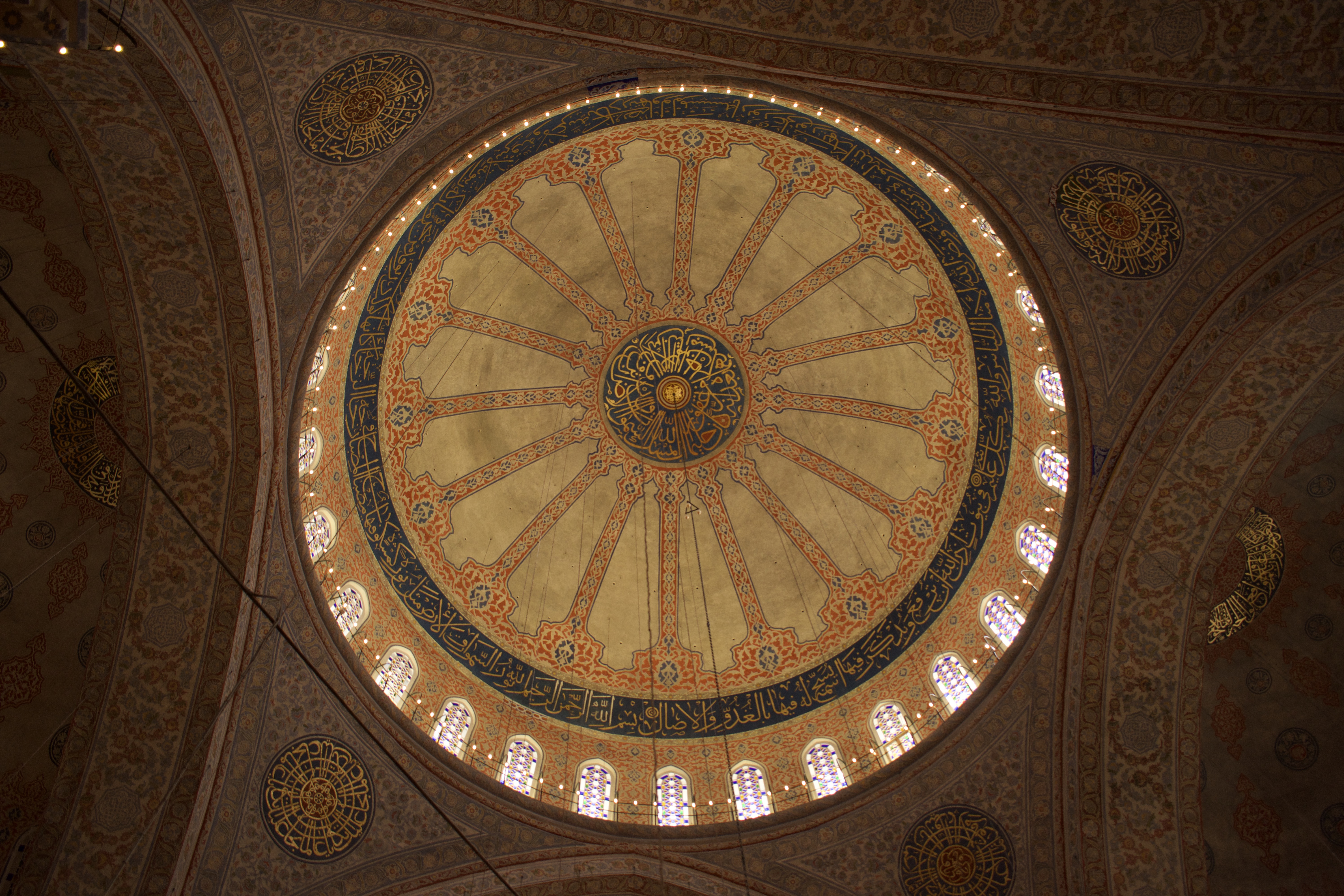
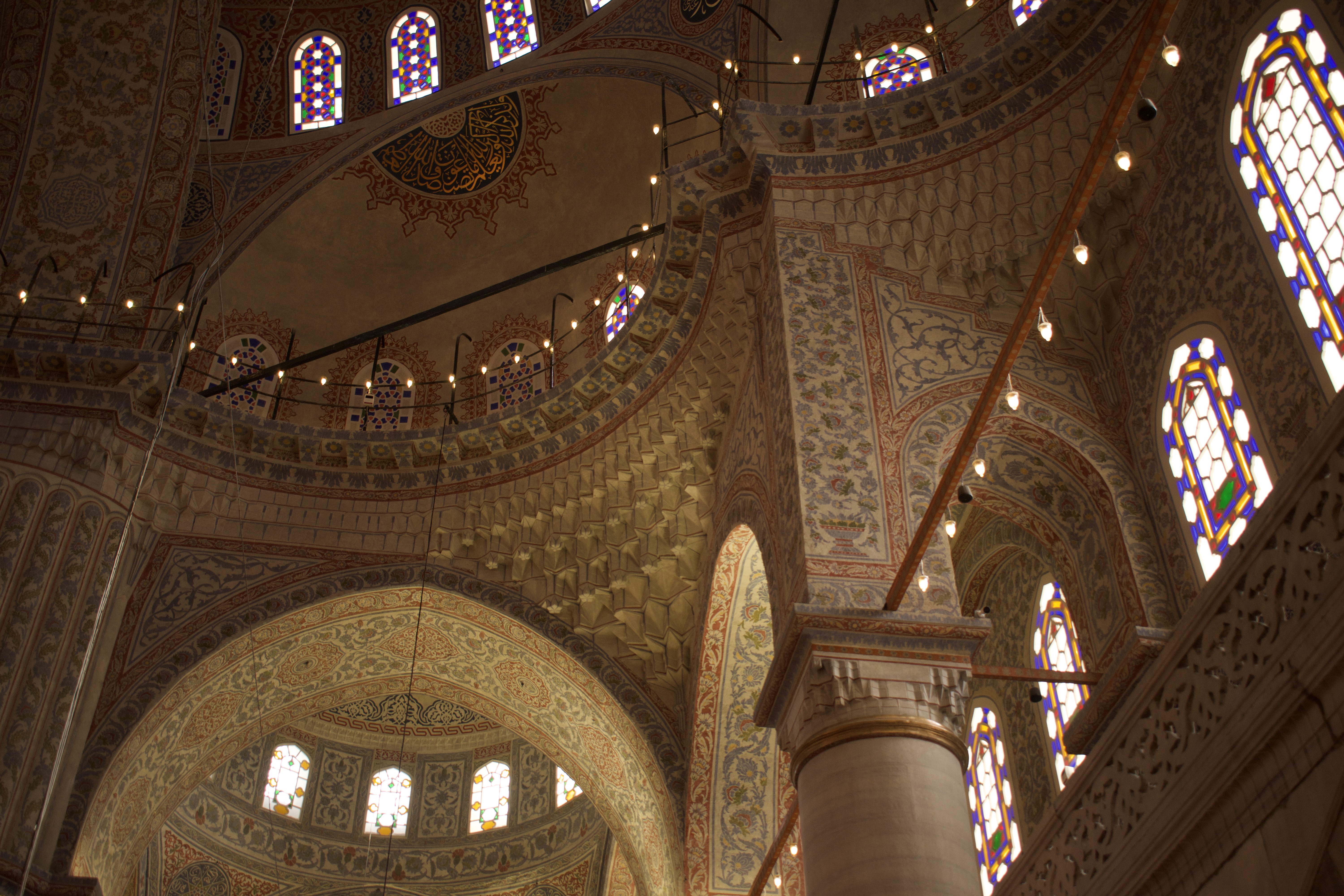
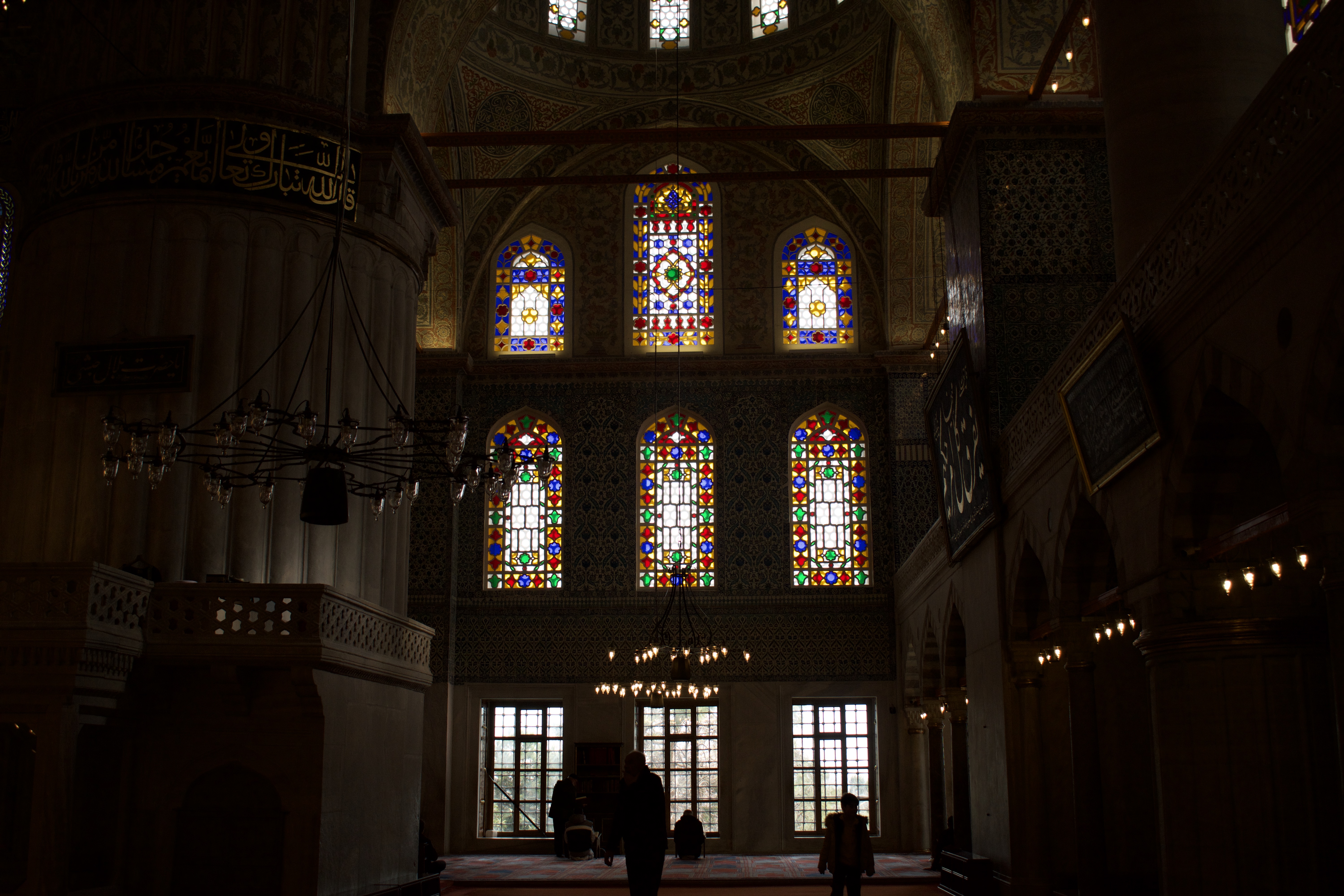
The Blue Mosque is much younger. Being built in the early 17th century it has all the touches of (more) modern artwork, and has a much more intricate and untouched feeling to it. It is named for detailed blue artwork covering the interior.
Here are a few shots of the Ayasofia

And a few of the Blue Mosque


After spending time in the most touristy part of town for a few days, I needed to change things up, so I moved across the Golden Horn to another small hostel.
Over the next few days I walked as much of the city as I could, averaging around 15 miles per day, with two days of hiking over 20 miles. For those of you that use kilometers, 20 miles is about one and a half lines at an American healthcare clinic.
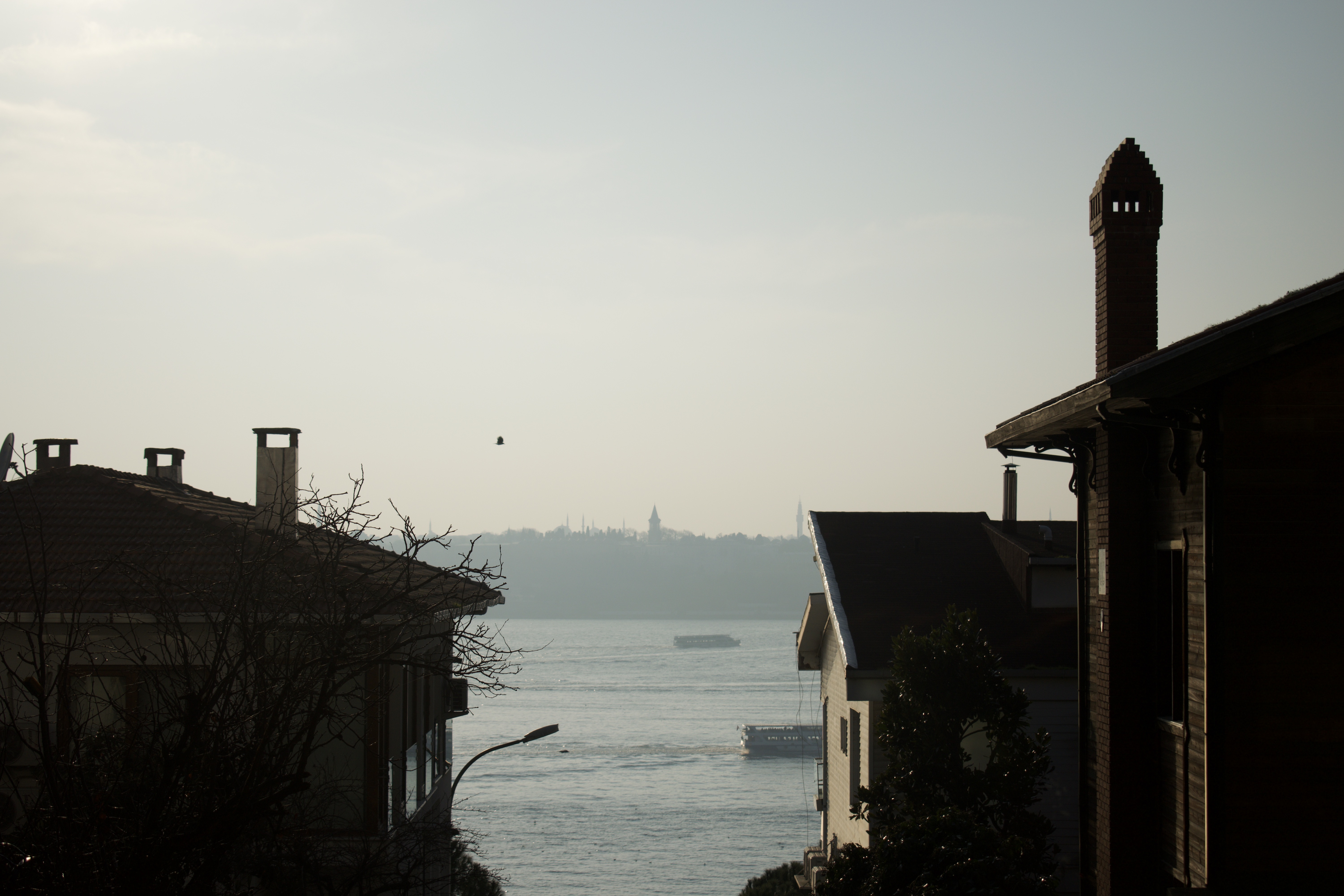

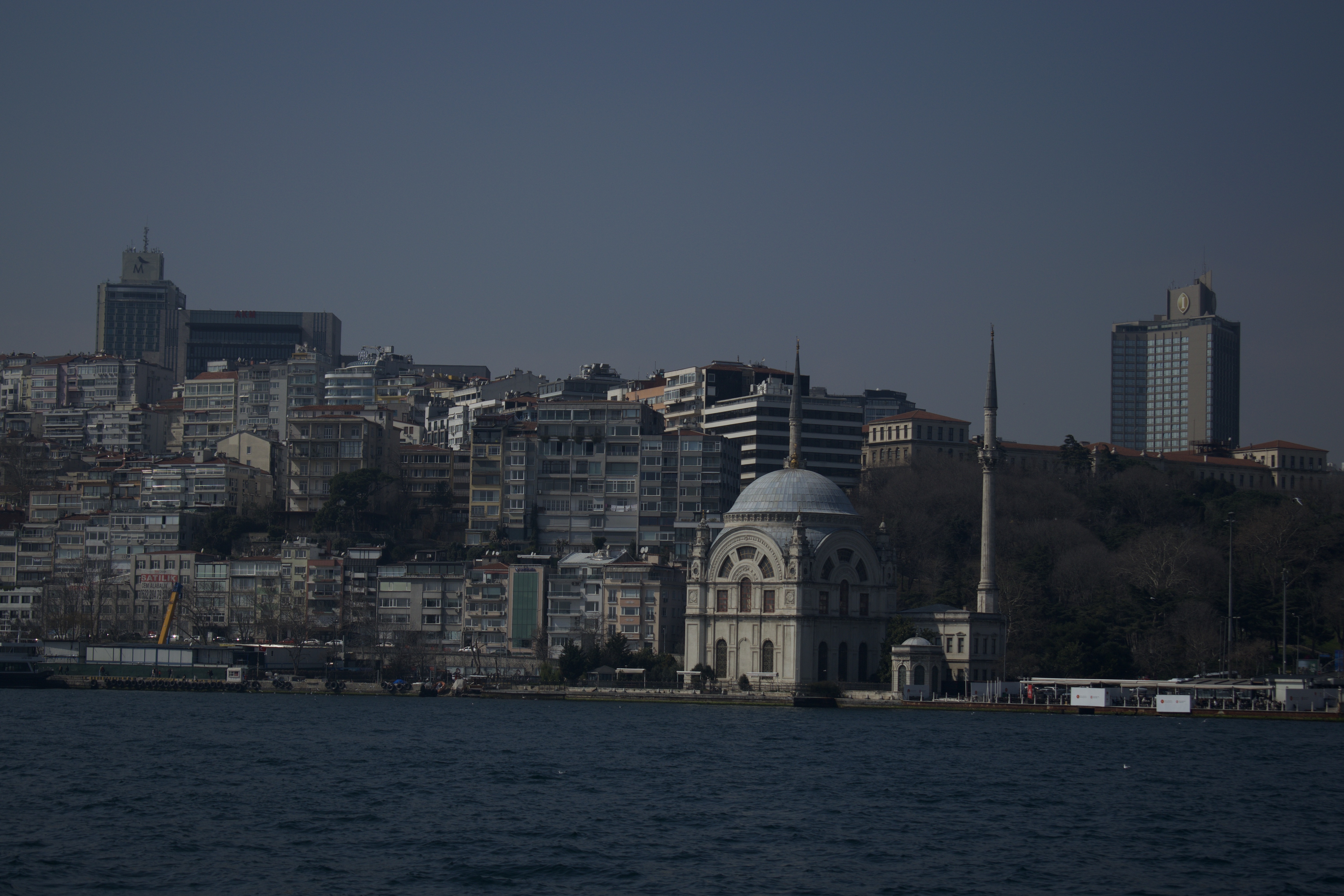

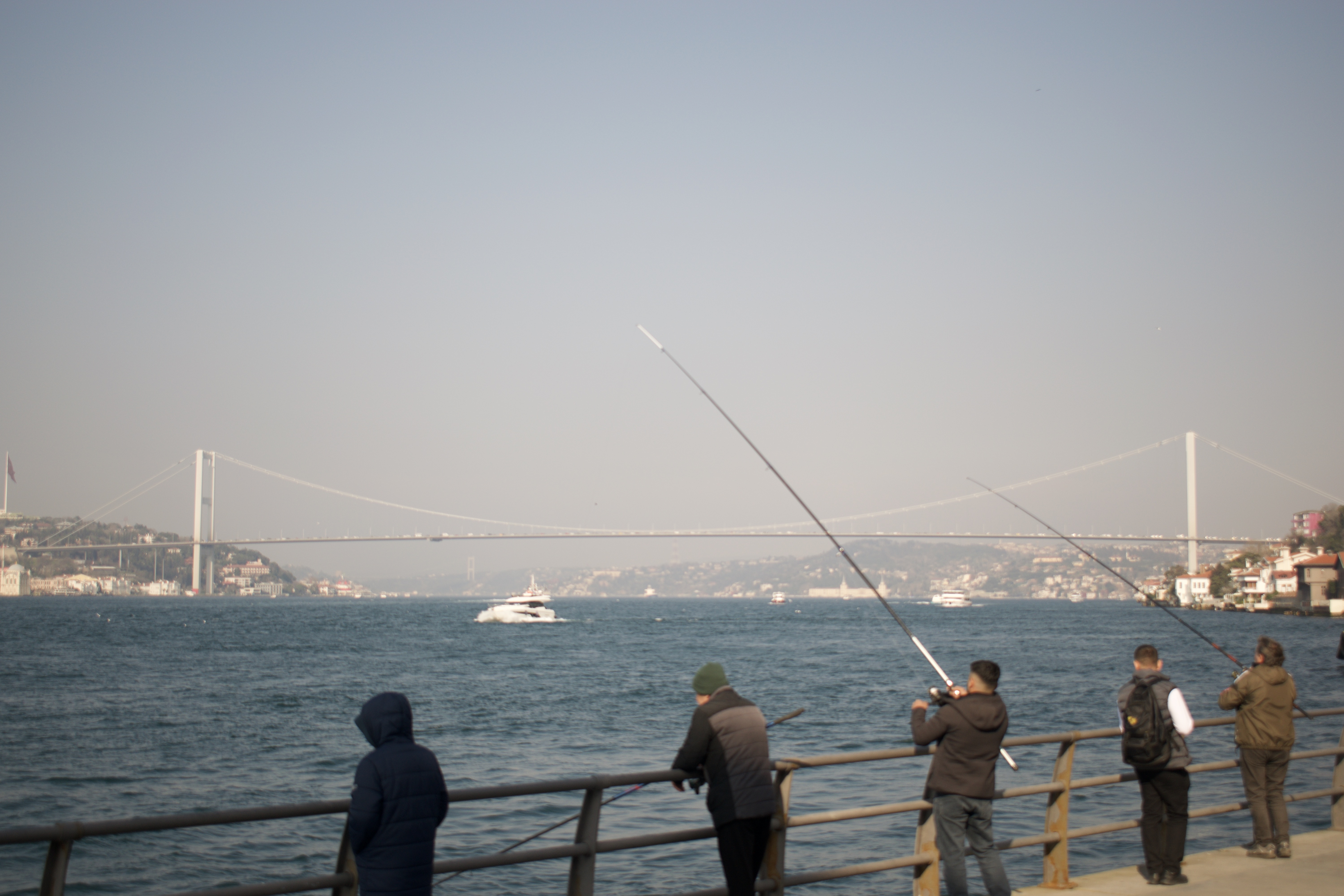
I took ferries across the water, walked across bridges covered in fishermen, and hiked the hills. The water itself is teeming with life, from seagulls and cormorants, to fish and porpoises. I got almost endless entertainment from just watching the water.
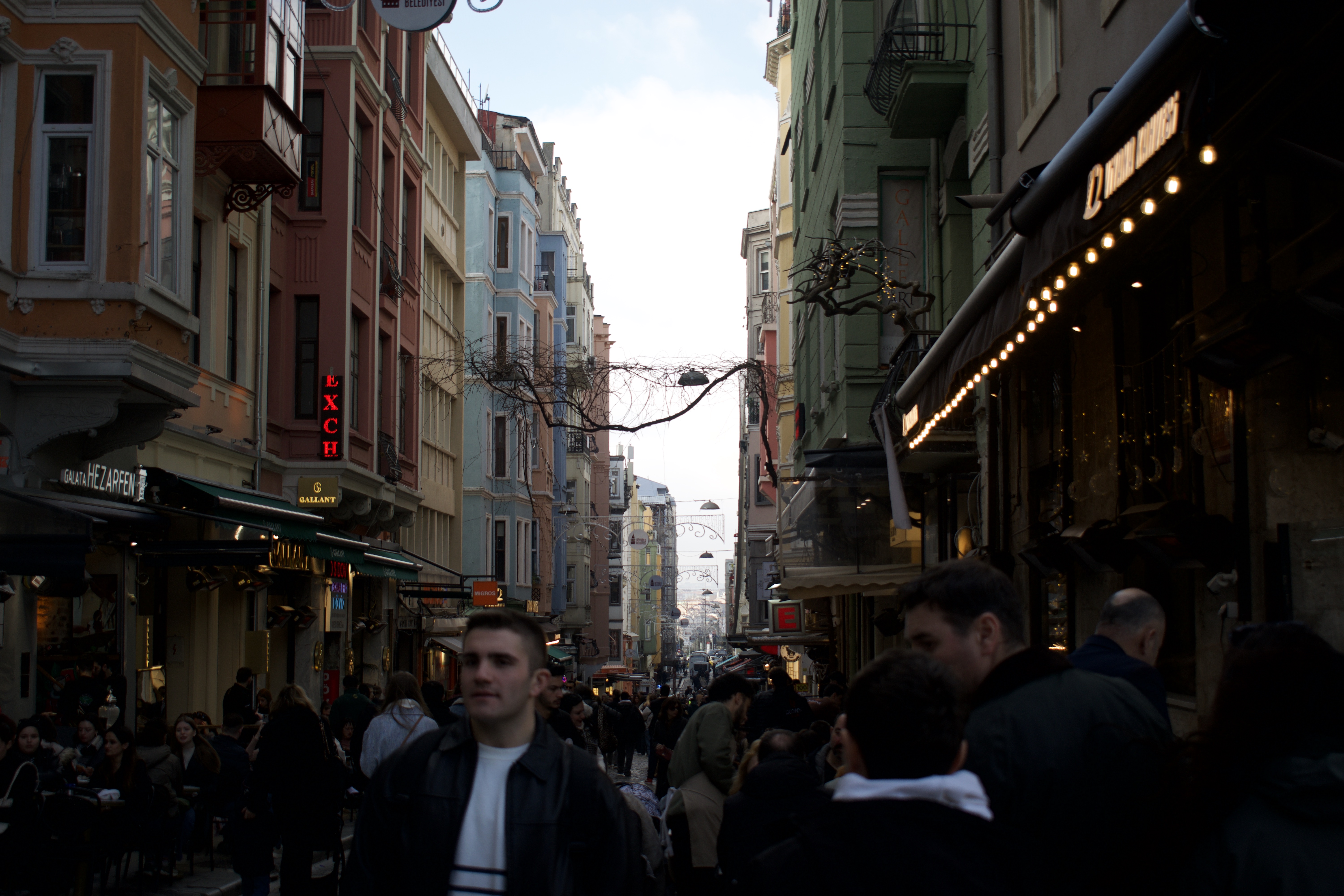
While walking the streets of the city I found that it has more pockets than anywhere I have been, with the three distinct parts of town being carved up into little neighborhoods, each with distinct feelings. And yet, the city as a whole has a very cohesive feeling to it, one that I can’t explain except to say that it felt like somewhat of an amalgamation of my experience of all of Turkey.

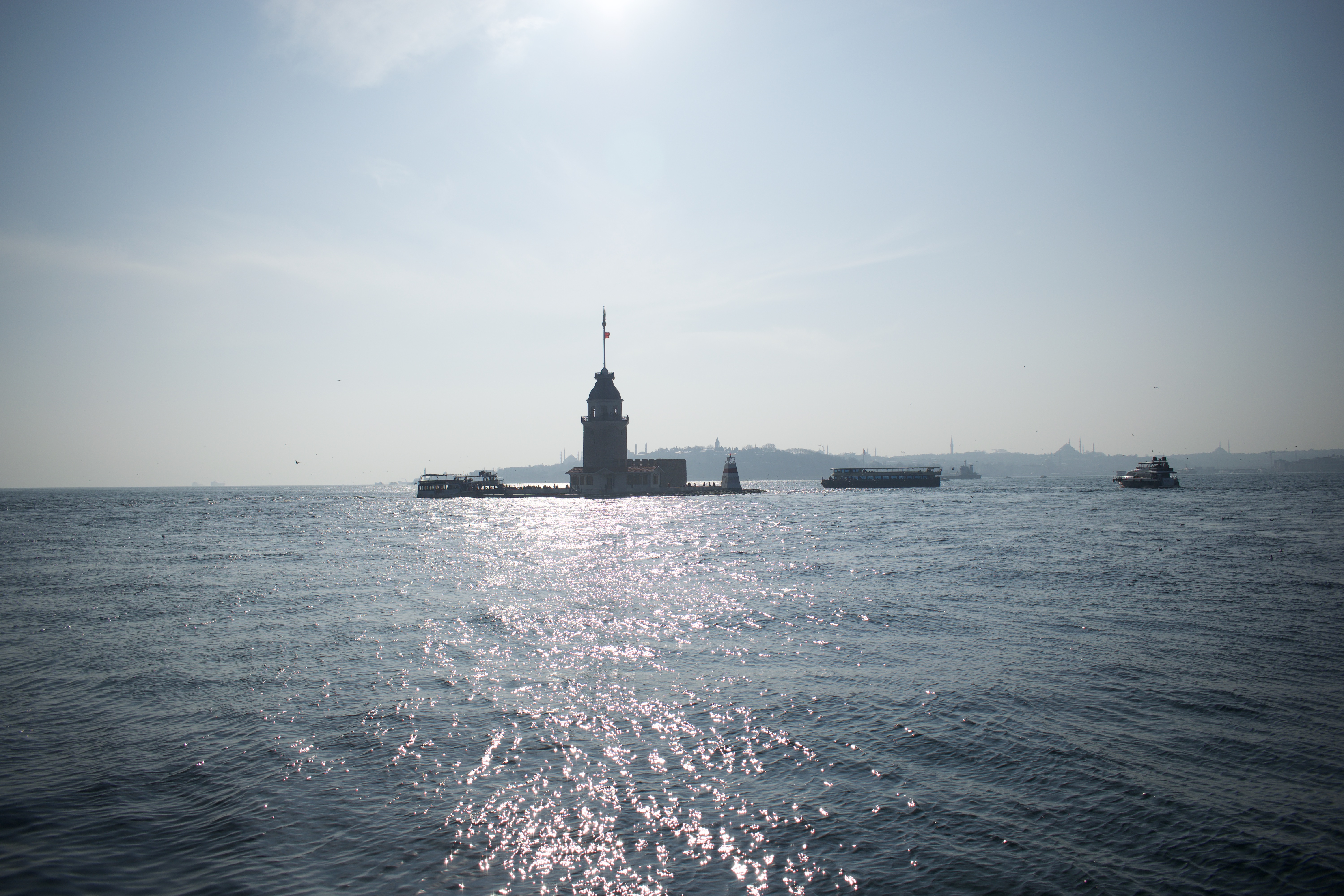
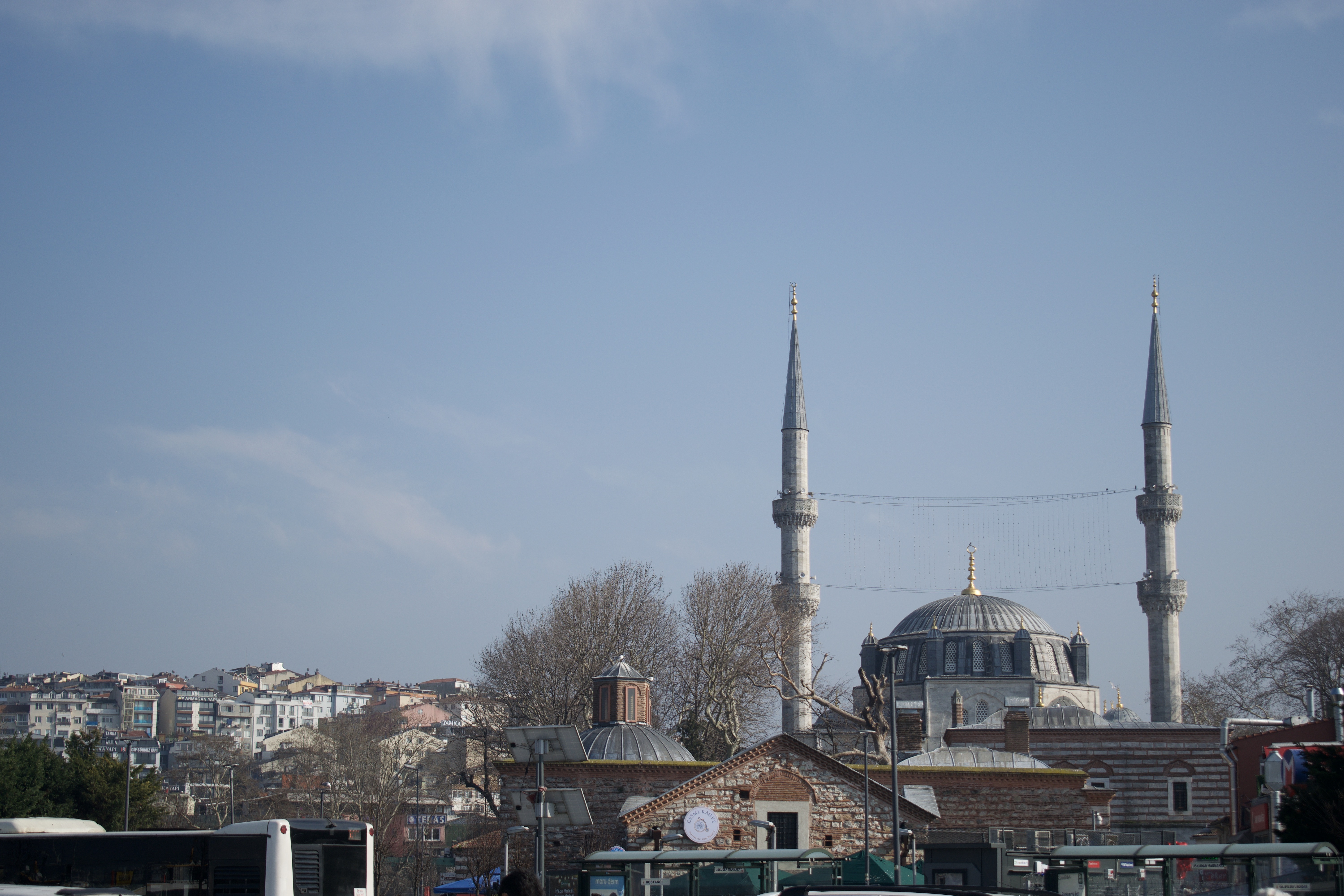
Istanbul has always been home to many different cultures, and all of these cultures have found their own spaces within the city. This means that entire neighborhoods have belonged to certain ethnic groups, and have developed in accordance with different cultures and traditions. This is easy to feel as you pass through them.
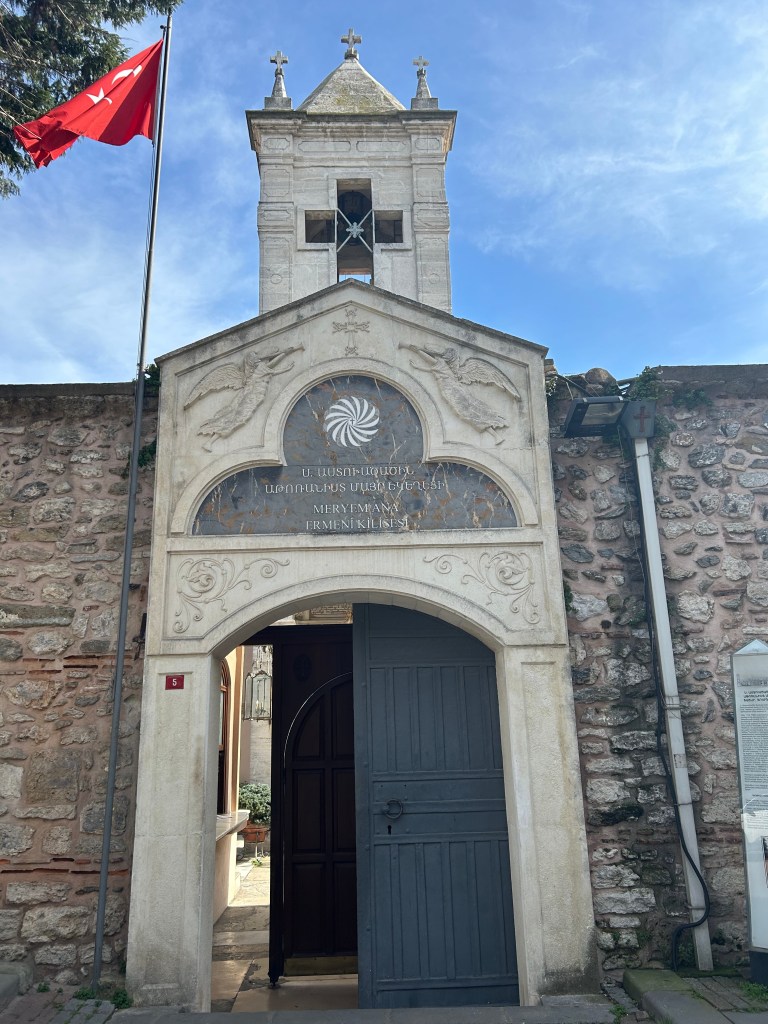
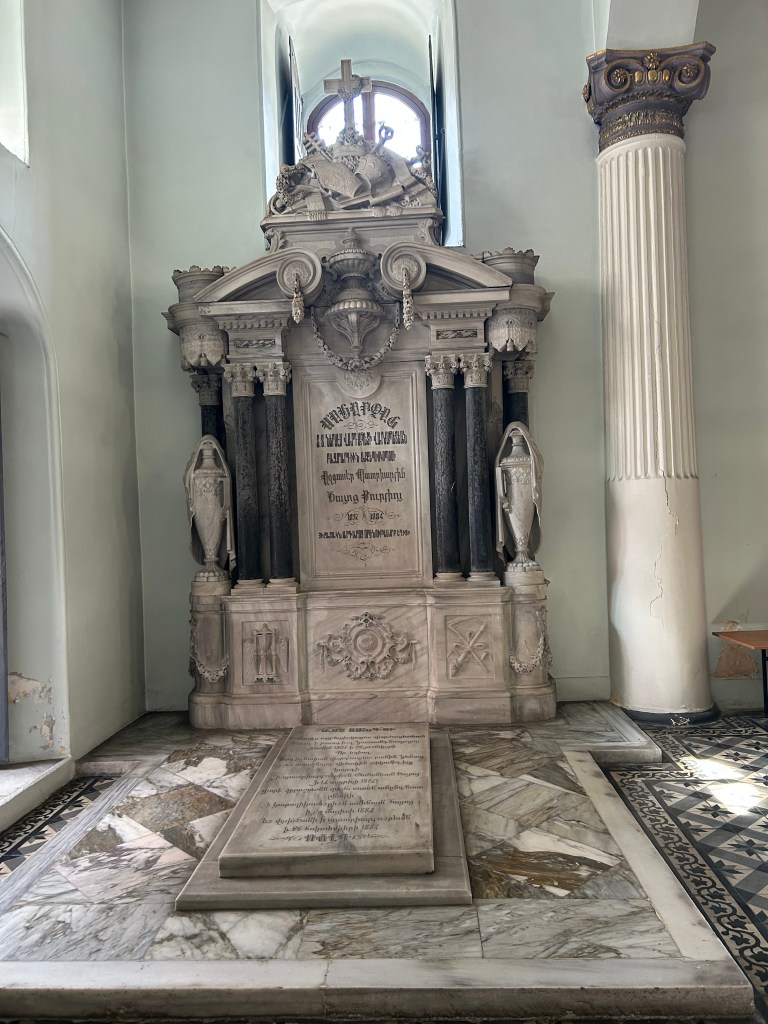
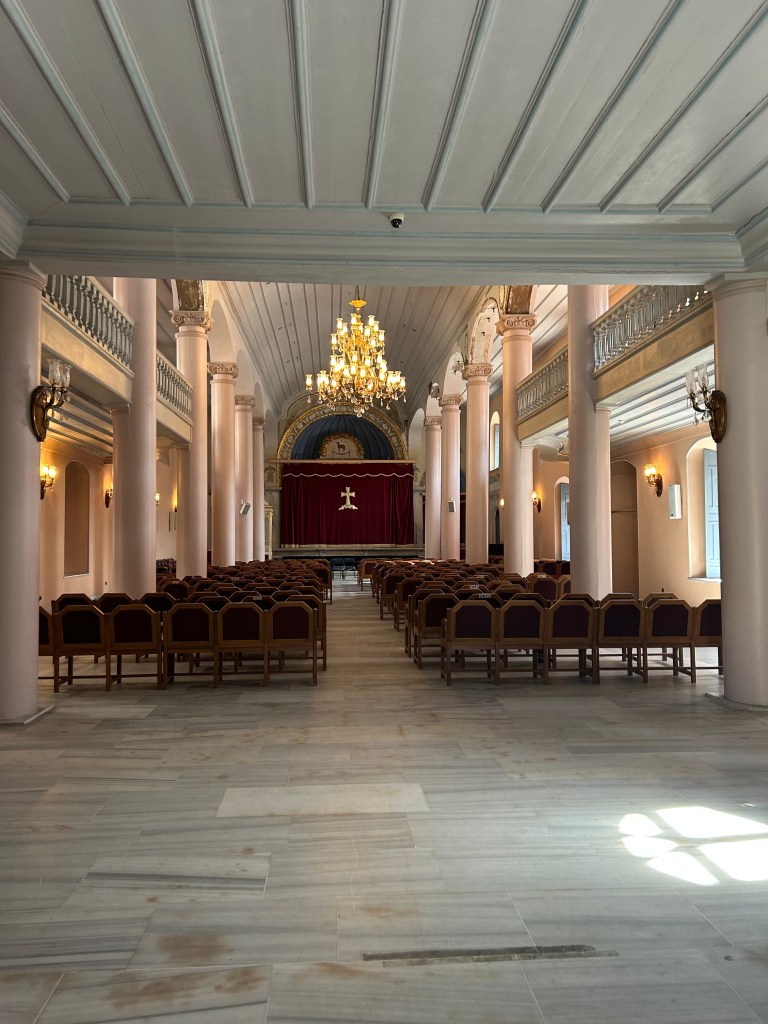
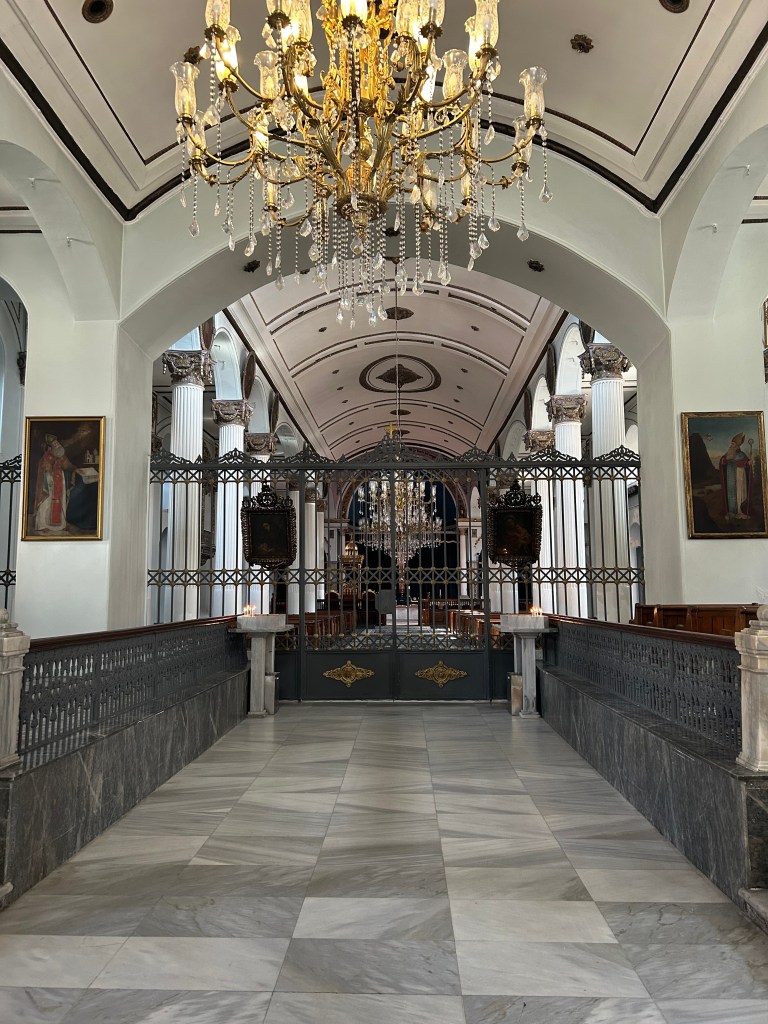
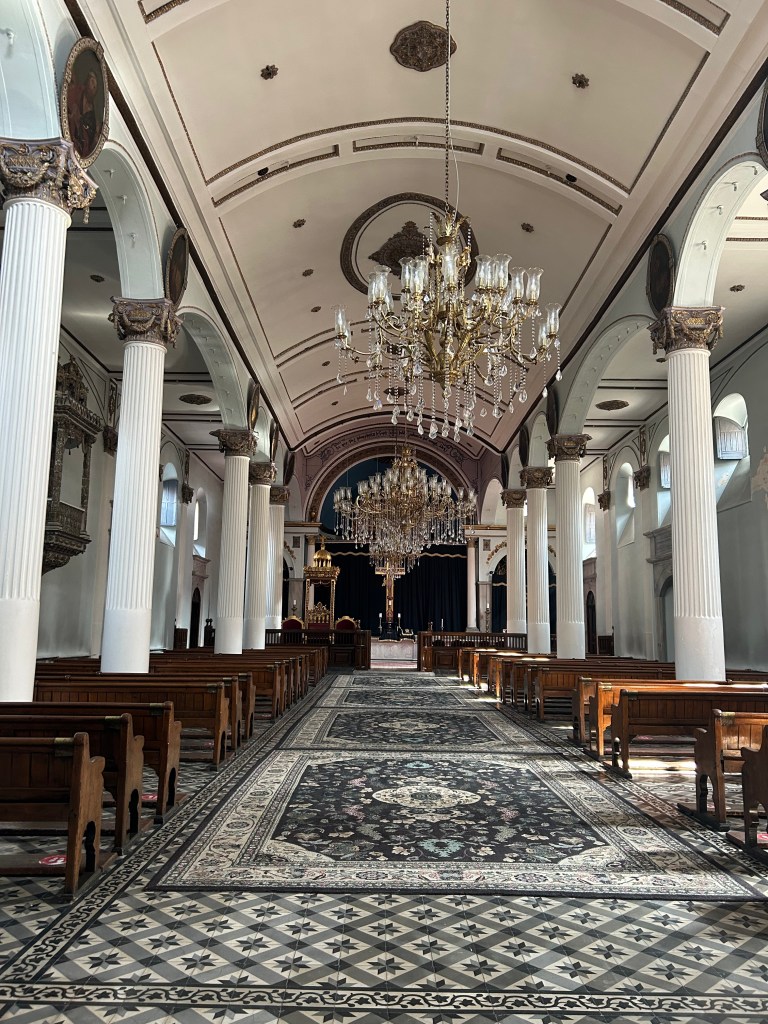
One of my favorite things was entering old Armenian neighborhoods, some of which still have Armenian residents today. It is wild to be able to read the Armenian alphabet, as I would sometimes come upon it in unexpected locations, which felt like its own kind of easter egg.
Below is one of the only Armenian churches that is still open in Istanbul.
By the end of my time in the city my feet hurt and I was exhausted, but glad to have seen as much of the city as I could. While it did not have the same personal impact on me as exploring in Southern Turkey did, I was blown away by the scale and cultural importance of the city, which really cannot be understated.
From Istanbul I caught a bus into Bulgaria. The next chapter will introduce me to the Balkans and Eastern Europe. I am excited to see where it takes me…
I’ll let ya know…

 Drew's Whirled Adventures
Leave a reply to reviewcolorful7da22a03e9 Cancel reply